The plan to replace the Christopher Columbus statue in Mexico City with a sculpture of an Indigenous woman aimed to uplift the Native community. However, just a week after the announcement, a large group of Mexican artists, writers, and curators, including many Indigenous women, have protested the choice of contemporary artist Pedro Reyes for the new project.
“We are pleased that such a prominent space will feature a monument to women, especially Indigenous women,” states an open letter from a coalition of women and allies in the arts. “Yet, it is unacceptable that Pedro Reyes, a non-Indigenous male artist, was chosen to depict ‘the Indigenous woman,’ a decision that overlooks the diversity of Indigenous women and places their representation in the hands of a white-mestizo man.” The letter has gathered nearly 300 signatures, including those of artists Circe Irasema, Mónica Mayer, Amalia Pica, and Héctor Zamora.
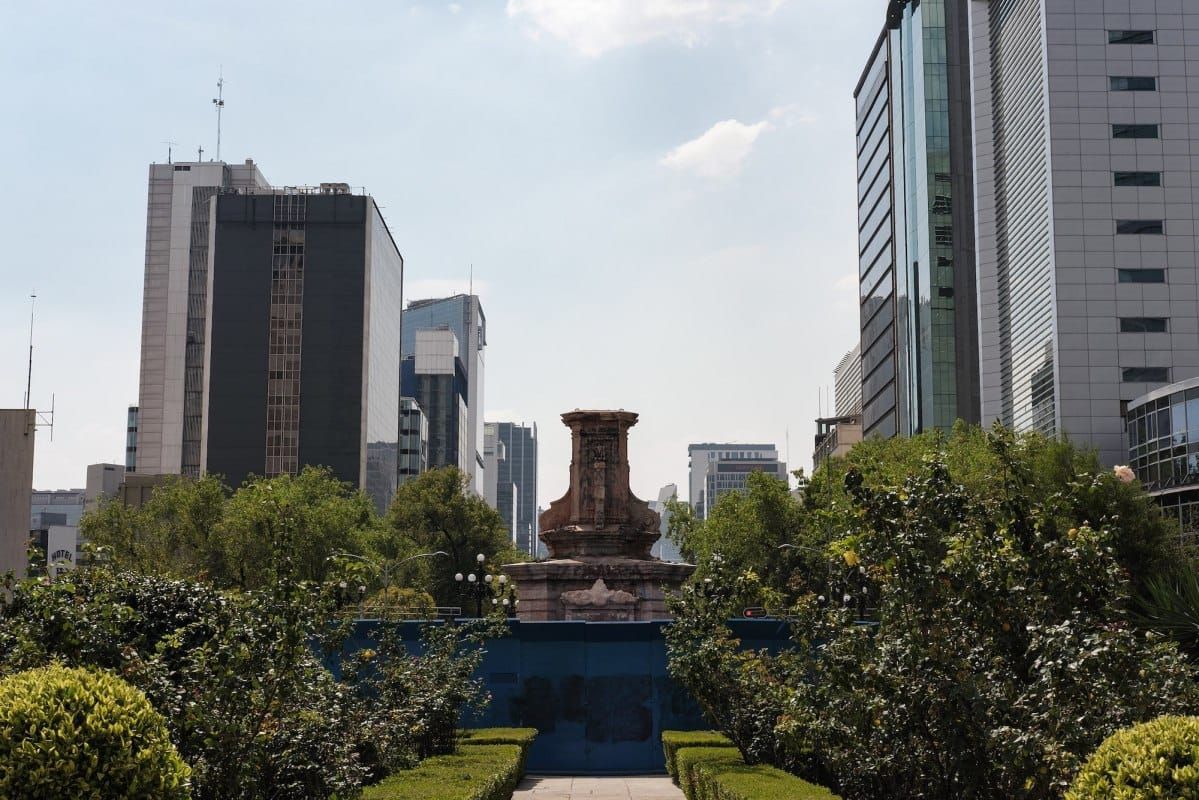
The Columbus statue, originally installed in 1877 along Paseo de la Reforma, was taken down last October ahead of anticipated Día de la Raza protests. Although officials cited restoration needs, Mayor Claudia Sheinbaum recently announced plans to replace it with an Olmec woman bust by Reyes. Inspired by the Nahuatl word ‘tlalli,’ meaning Earth, Reyes described his artistic vision to Hyperallergic, but critics argue it perpetuates a generalized portrayal of Indigenous women.
Irmgard Emmelhainz, a writer and translator involved with the letter, criticized the commission process as “by dedazo”—a practice where an official artist is selected without a fair competition. “The image was conceived by a white male artist without consulting Indigenous communities,” Emmelhainz stated. Some Indigenous Mexicans, who represent about 15% of the population, wish the funds could instead support Indigenous women directly, while others, like photographer Yolanda Andrade, suggest the sculpture be created by an Indigenous artist.
Pedro Reyes, known for his sociopolitical conceptual works and represented by Lisson Gallery, has not responded to Hyperallergic’s request for comment. His critics include Pablo Helguera, a Mexican artist in New York City, who urged Reyes to decline the commission. Helguera emphasized the privileges of white male Mexican artists and the systemic barriers faced by Indigenous and female artists. “A monument on Reforma Avenue symbolizes the people,” he wrote, arguing that both the artwork and artist selection hold significant public meaning.