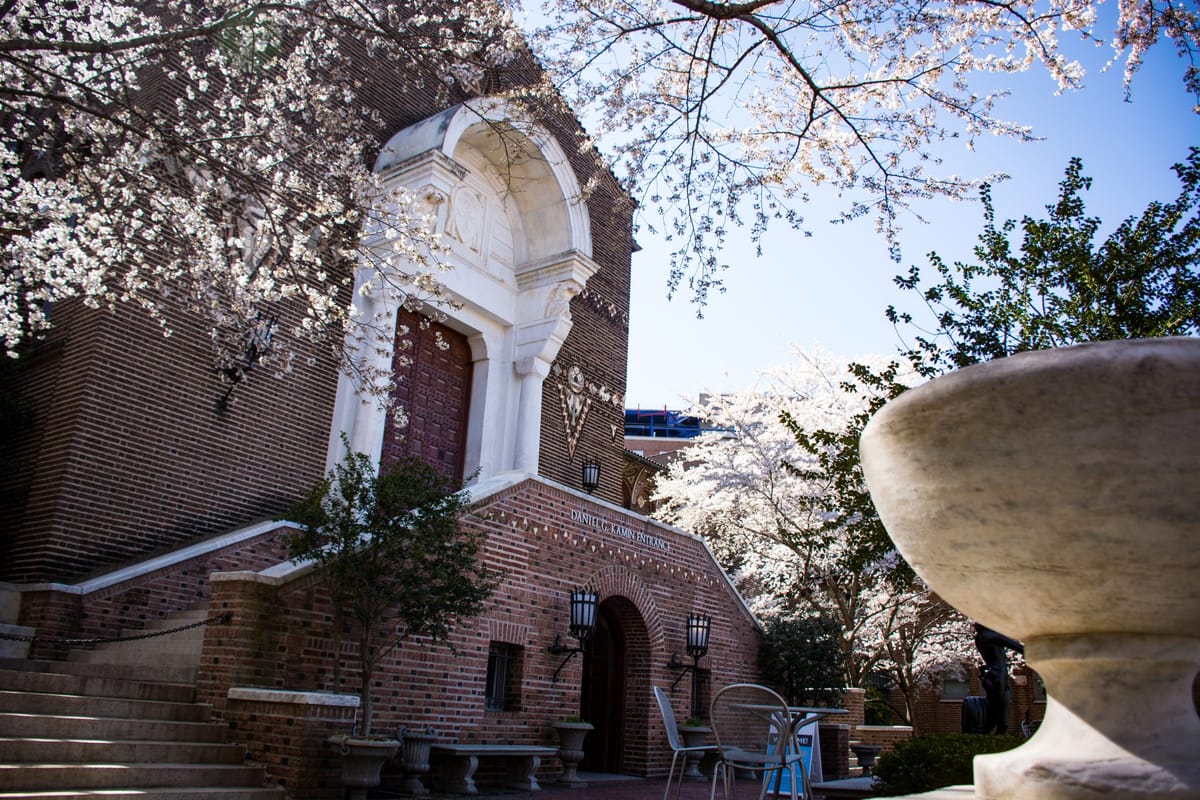
In Philadelphia, activists are urging the dismissal of Janet Monge, a curator at the Penn Museum, following revelations that the museum retained the remains of a Black individual from the 1985 MOVE bombing for decades. It is believed by some that these remains could belong to Tree Africa, a 14-year-old victim of the incident. On April 23, activist group Police Free Penn (PFP) called for the immediate return of the remains to the Africa family, alongside an apology and financial reparations. They also demanded Monge’s termination, as she has overseen the remains for the past five years.
The tragic event occurred in May 1985, resulting in the deaths of eleven individuals, including five children, after a police helicopter bombed a West Philadelphia compound associated with MOVE, a Black liberation group. An investigation committee subsequently handed over a pelvic bone and femur fragment to Alan Mann, then a Penn professor, for forensic analysis. Mann later took the remains with him to Princeton University in 2001. The remains returned to Penn Museum’s labs in 2016 for further study, under Monge’s guidance, until their recent return to Mann on April 17 under the new director Christopher Woods’ orders. The remains have yet to be officially identified.
Monge has also faced criticism for using the remains in an online course at Princeton University, describing them as a case study on “restoring personhood.” This has drawn backlash from PFP, which condemned the actions as “abhorrent, racist, and inhumane.” They criticized the museum and Monge for failing to return the remains promptly and using them as educational props.
The museum’s recent apology for possessing the skulls of enslaved individuals, including Black Philadelphians, in its contentious Morton Collection has compounded the controversy. Activists and students, led by PFP, protested for the repatriation of these remains. The museum has committed to re-evaluating its practices concerning human remains. PFP further demands a transparent investigation into the museum’s handling of MOVE victims’ remains, stressing the examination of the institution’s historical role in perpetuating anti-Blackness since its inception in 1887.
PFP emphasized that no statements of solidarity can rebuild trust in the institution while it treats Black bodies as objects. They maintain that dialogue is impossible until the demands of the Africa family and Police Free Penn are addressed. The Penn Museum and Princeton University have yet to comment on these developments.