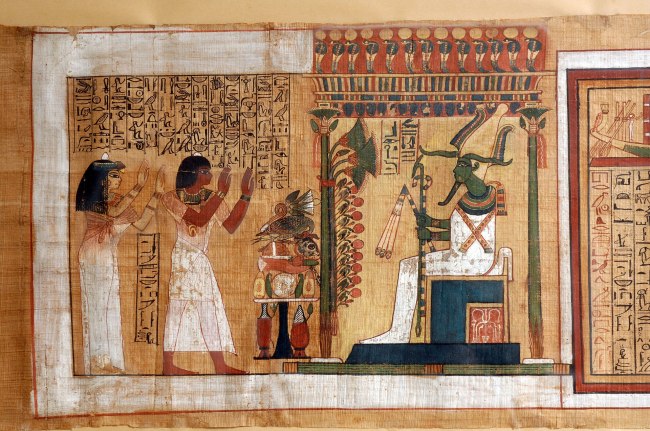
Researchers from Cambridge have uncovered that scribes in Ancient Egypt utilized a calcite-based white pigment to rectify errors on a 3,000-year-old papyrus of the Book of the Dead. This revelation offers new insights into the sophisticated methods employed by these scribes to ensure their documents were both accurate and aesthetically pleasing.
The study, led by a team at the University of Cambridge, included an in-depth examination of papyrus fragments with the help of advanced imaging technologies. The calcite-based pigment functioned similarly to modern correction fluid, concealing mistakes so the scribes could enter the correct text atop it.
This research underlines the great care and importance ancient Egyptians placed on maintaining textual accuracy, reflecting their cultural emphasis on precision and integrity in written records. The forthcoming issue of the Journal of Archaeological Science will feature the complete findings.