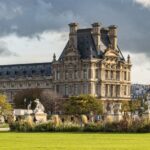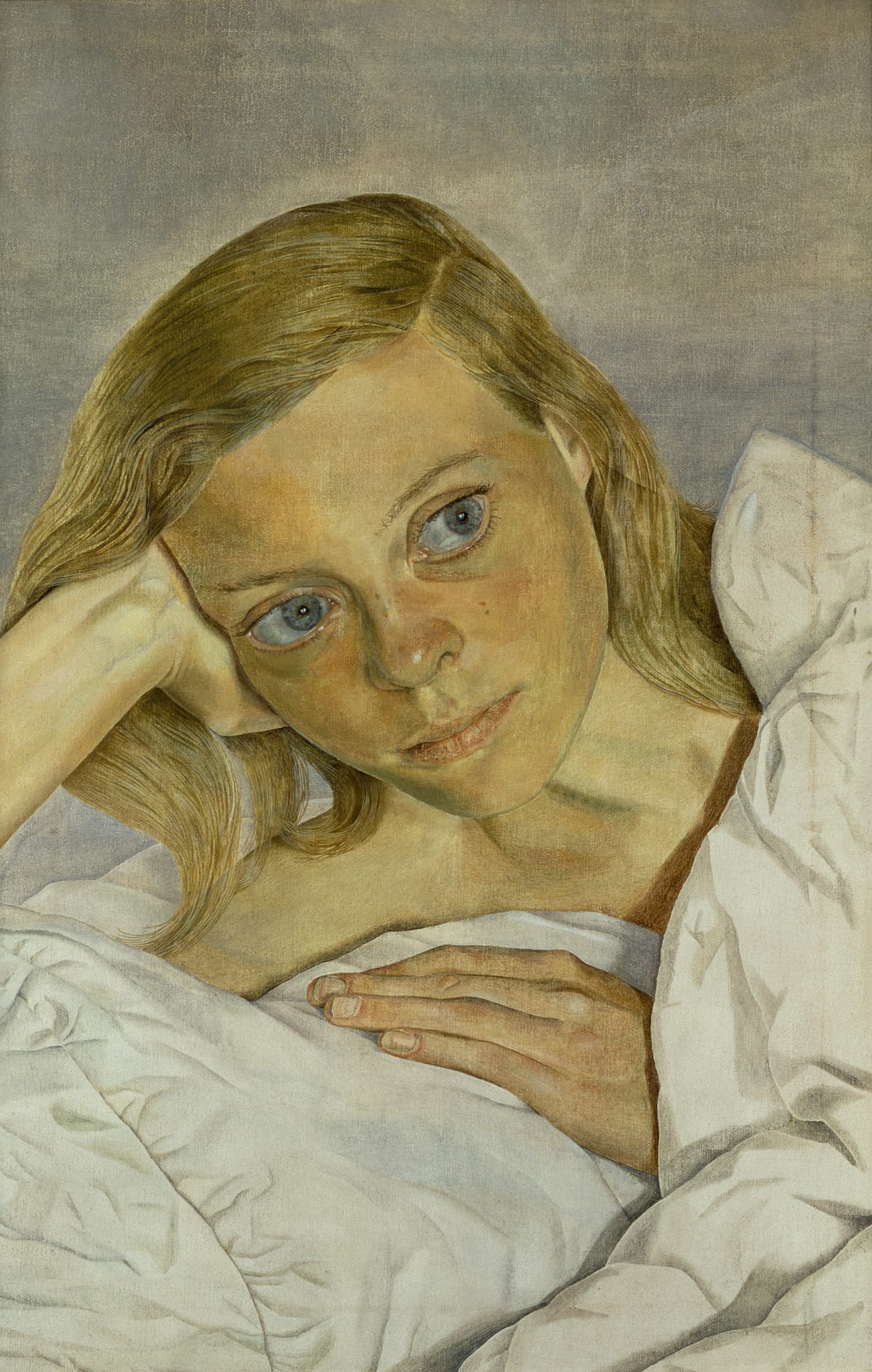
LONDON — For artists, death can often lead to a decline in recognition, but Lucian Freud remains a prominent figure 15 years after his passing. As a distinguished figurative painter, the question arises: how will those preserving his legacy continue to do so? This inquiry is particularly relevant in London, where Freud spent countless hours in his W9 studio, working tirelessly with his brushes. Today, at the National Portrait Gallery, which sits adjacent to the National Gallery like two proud dueling aristocrats, his work is once again being celebrated. The current exhibition, ‘Drawing into Painting,’ features approximately 170 pieces, exploring the relationship between drawing and painting in Freud’s oeuvre.
This exhibition has delved into archives and sought out private collectors to gather a diverse array of works, highlighting how drawing informed Freud’s painting throughout his career, with print-making also playing a significant role. While some familiar pieces are displayed, the show surprises with lesser-known works, including drawings from his childhood. Born to an architect and as the grandson of Sigmund Freud, Lucian was part of the Jewish exodus from Germany in 1933, at age 11. His early drawings reveal a fascination with steamboats, alongside depictions of birdhouses and flowers, all rendered with precision.
Freud’s 1940s portraits are marked by a cold, forensic intensity. One striking piece from 1941, ‘The Village Boys,’ shows unruly children in a chaotic scuffle, described by Freud as ‘weedy, nasty, but strange.’ His skill at capturing lostness in his subjects is evident, portraying individuals who seem disconnected from themselves. However, his personal life raises questions, as he often showed disdain toward women and had a questionable relationship with his children. The exhibition features many portraits of his lovers, wives, and children, some of which stand out more than others.
In ‘Woman Smiling,’ his wife Suzy Boyt’s nose appears brutally mottled, raising questions about her feelings toward the piece, much like the Queen might have felt about her own grim portrayal by Freud. His process was intensely meticulous, as noted by David Hockney, who was astounded by the 120 hours Freud spent on his portrait. Freud’s self-portraits reveal a relentless pursuit of understanding his own enigmatic nature. The exhibition, curated by Sarah Howgate with David Dawson, runs at the National Portrait Gallery in London until May 4.