Giorgio Vasari once described Raphael as a divine gift to the world in his 16th-century work, The Lives of the Artists. Five centuries later, this description remains apt. Born in 1483 in Urbino, Italy, a vibrant hub of Renaissance art and culture, Raphael epitomizes the quintessential Renaissance man. In his brief 37 years, he matched the prowess of Leonardo da Vinci and Michelangelo, managed a successful studio, and made significant strides in architecture and design. His art’s enduring appeal is rooted in its humanism, mirroring Raphael’s own empathetic nature.
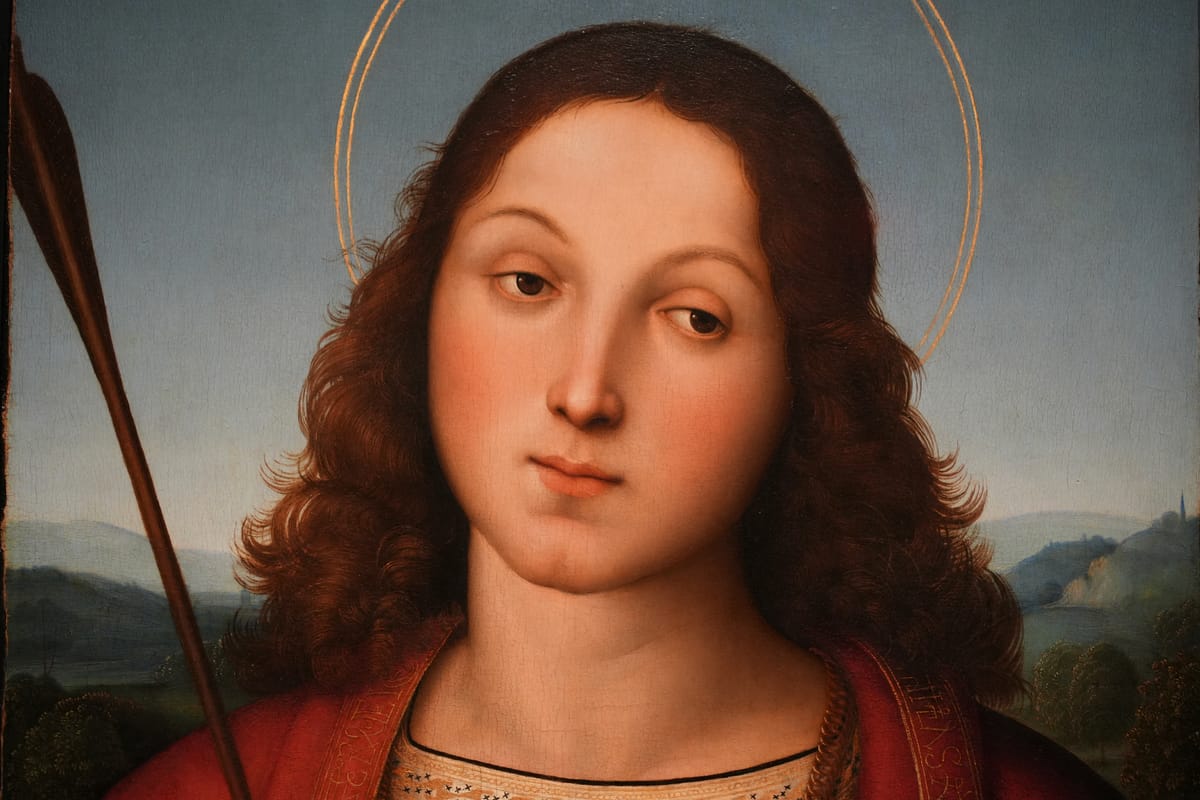
The exhibition Sublime Poetry, opening at the Metropolitan Museum this weekend, marks the first extensive Raphael exhibition in the United States. It traces his journey from early apprenticeships to his acclaimed achievements later in life. Organizing over 170 pieces from more than 60 international collections is no small feat, with highlights including masterpieces like “The Virgin and Child with the Infant Saint John the Baptist in a Landscape (The Alba Madonna)” (1509–11) and intricate drawings foundational to his craft, such as “Portrait of a Young Boy (Presumed to be a Self-Portrait)” (c. 1500) from the Ashmolean Museum and “Saint Catherine of Alexandria in Three-Quarter Length” (c. 1507) from the Louvre.
Curator Carmen C. Bambach, who previously orchestrated the 2018 Met exhibition Michelangelo: Divine Draftsman & Designer, brings her expertise to this monumental show. Unlike Michelangelo, Raphael’s life was less meticulously chronicled, which may contribute to his lesser-known status today. Nevertheless, Raphael’s impact on art is profound. He swiftly evolved styles, infused warmth into devotional works, and rendered drawings as intimate as diary entries.
In an email interview with Hyperallergic, Bambach elaborated on curating this historic show, insights on Raphael’s life, and her personal connection to his art. She explained that Raphael’s work is akin to poetry due to his connections with poets and his own attempts at sonnets. The exhibition took nearly eight years of research and negotiations to assemble the artworks, likening the process to asking for a royal heir. Bambach also uncovered new insights, such as the origins of Raphael’s fresco fragment from the Vatican Palace and the reconstruction of a portable altarpiece.
Bambach highlighted Raphael’s unmatched artistic perfection and influence during the Italian Renaissance, noting his command of color, anatomy, and perspective. Although his fame once overshadowed even Leonardo and Michelangelo, historical narratives now often place him below them. For those new to Raphael, Bambach recommends viewing the “Alba Madonna” and the “Portrait of Baldassare Castiglione” among others.