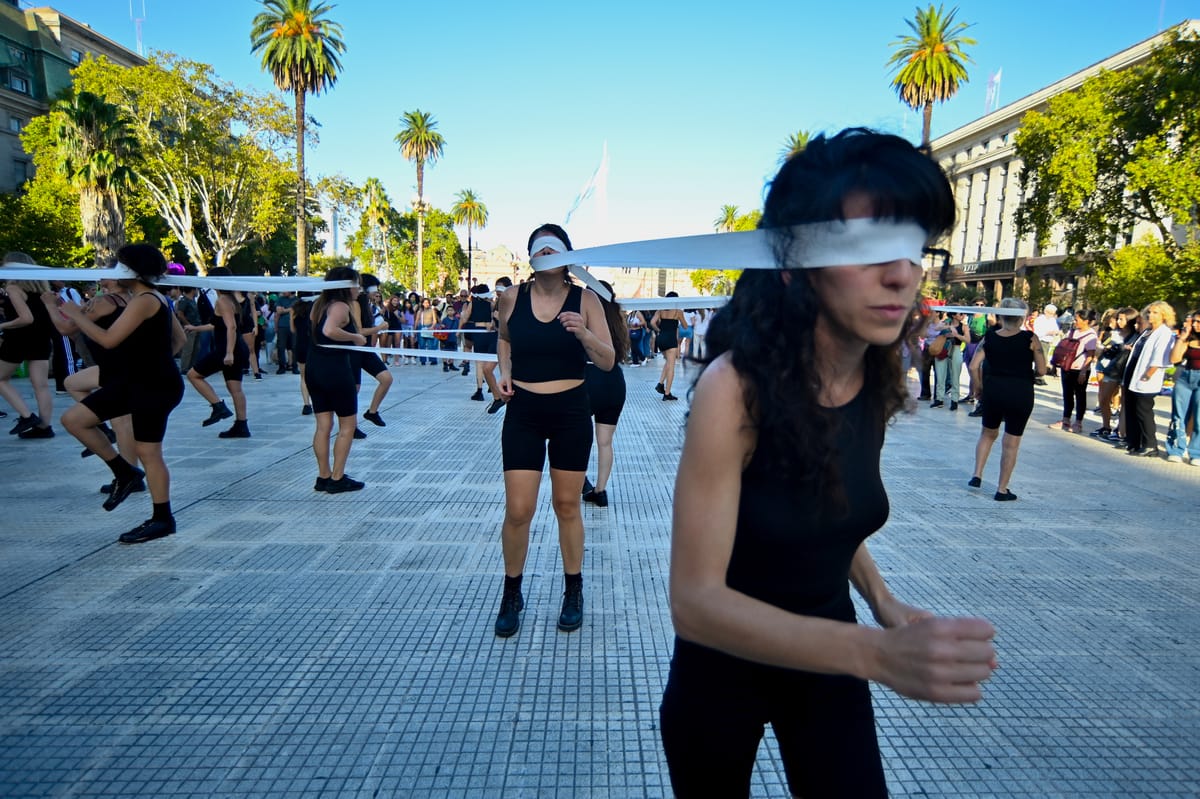
This week, significant events include a women’s strike in Argentina, thought-provoking graffiti exchanges in Brooklyn, and the revelation that UK museums retain human remains from former colonies. Also, there are insights into mini Tudor paintings and the cartography of The Met.
In Crown Heights, Zahra Hankir explores the exchanges on lampposts and electrical boxes, where simple pro-Palestine messages spark replies. A sticker on Nostrand Avenue features a keffiyeh-patterned fence with the question, ‘What if you were in Gaza? What if they were your kids?’ and receives responses that highlight tensions, including accusations of antisemitism.
Art historian Elizabeth Goldring delves into the world of mini Tudor portrait tokens, discussing their role as portable symbols of intimacy and diplomacy in an era before photography, as detailed in Smithsonian Magazine.
The Guardian reveals that UK institutions possess over 260,000 human remains, which are likely linked to colonial violence. Lord Paul Boateng criticizes these institutions as ‘imperial charnel houses,’ while Bell Ribeiro-Addy condemns the storage of these remains.
In other news, a woman interviewed by the FBI between July and October 2019 alleges abuse by Jeffrey Epstein and names Donald Trump in the accusations. Mahmoud Khalil, an activist previously detained by ICE, shares a poignant letter in the Guardian addressing the struggles faced by Palestinians.
Misty Copeland responds to Timothée Chalamet’s controversial comments about opera and ballet, emphasizing the enduring significance of these art forms and their role in shaping the cultural landscape.