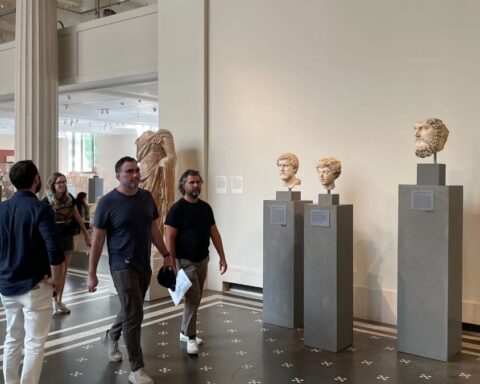
Author Karma Brown reflects in LitHub on the parallels between art conservation and fiction writing, inspired by her visit to the Art Gallery of Ontario. Brown compares her initial drafts to artworks arriving at the AGO, needing careful restoration to reveal their true essence. She shares insights from a conservator, who explained that restoration aims for clarity, not perfection, paralleling the completion of a novel.
In discussions with the conservator, Brown explored themes of art, women’s roles in their fields, and the stewardship of history. The conservator shared personal experiences, such as working alone during museum closures in the pandemic. This solitude with art inspired a question in Brown’s novel: ‘What if some part of the artist lives forever in her painting?’
In Defector, Nicholas Russell talks with Namwali Serpell about her new book on Toni Morrison. Serpell observes the increasing focus on Morrison’s life and work, noting a trend towards her monumentalization. While Morrison is celebrated for her intellectual contributions, Serpell emphasizes the importance of recognizing her experimental advances in fiction.
Emma Alpern of Intelligencer reports on the challenges faced by autistic and non-native English writers accused of using AI. Writers like Ines from Morocco experience suspicion due to their precise grammar, often shared with AI-generated texts. Kenyan writer Marcus Olang’ highlights how AI detectors unfairly penalize non-native writers, drawing parallels to colonial linguistic standards.
Ali Skaik writes in the Nation about the resilience displayed during Eid celebrations in Gaza, amidst ongoing conflict. Despite the destruction and loss, the people of Gaza continue to celebrate life, resisting attempts to strip them of their faith and joy.