A hand-pump fire engine dating to 1830, along with surviving dime museum attractions, will be shown beside Jacob Riis’s documentary photographs and works by Keith Haring, Lynda Benglis, June Leaf, and others in the New Museum’s upcoming exhibition on the Bowery.
Titled The Bowery: Devil’s Mile, the presentation will bring together archival materials, artifacts, and artworks that trace four centuries of innovation and inspiration along the museum’s home street. It is scheduled to open on September 24, alongside a previously announced Arthur Jafa survey in the Manhattan institution’s newly expanded building.
The Bowery began as a Lenape footpath that ran the length of Mannahatta. Later known as Bowerij Road—bowerij being the Dutch word for farm—it connected colonial New Amsterdam with the northern farmlands. During the 1640s, 11 Black men enslaved by the Dutch were emancipated and granted plots of land along the Bowery, making the area Manhattan’s first free Black settlement.
After the Dutch surrendered the territory to the British, New York was founded in 1664. The upper Bowery evolved into leisure estates for the affluent, while the lower stretch was developed around the livestock trade. Commercial activity helped foster an entertainment-driven economy of taverns, vaudeville and burlesque theaters, circuses, and dime museums, and by the 19th century the street had become known as a destination for amusement in all its forms.
In the early 19th century, successive waves of immigration helped shape the Bowery’s multicultural character. But the absence of public health services, combined with rapid population growth, brought overcrowded and unsanitary tenements, violent crime, and widespread disease and infestations. A later economic slump deepened the street’s notoriety as taverns gave way to dive bars, hotels became flophouses, and illicit activity displaced the once-vibrant arts scene.
Although Jacob Riis exposed the area’s grim conditions, the Bowery continued to decline through Prohibition and the Great Depression. By the 1940s, it had become known as the city’s “Skid Row.” In the midcentury, however, the neighborhood’s roughness helped attract artists such as Mark Rothko, William Burroughs, and John Giorno, while the Beat Generation and the rise of Abstract Expressionism fueled a renewed cultural energy.
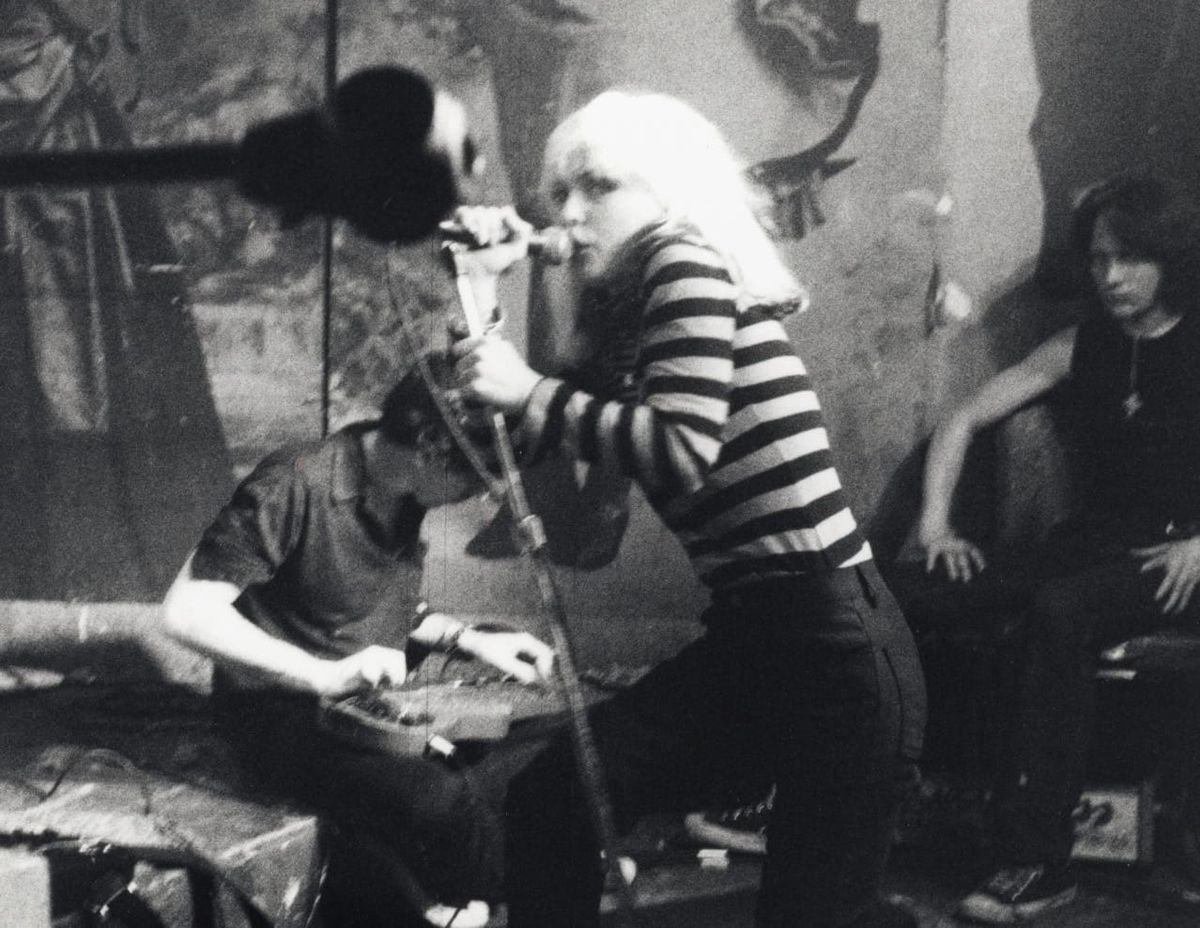
The Bowery later emerged as a punk and new wave hub after CBGB opened in 1973, launching the careers of Blondie, the Ramones, the B-52s, and the Talking Heads. In a press release, the New Museum, which moved to the Bowery in 2007, described the exhibition as only an “introduction” to the “richness and complexity of the Bowery and its generative power and concentrated energy as a street, a neighborhood, and a state of mind.”