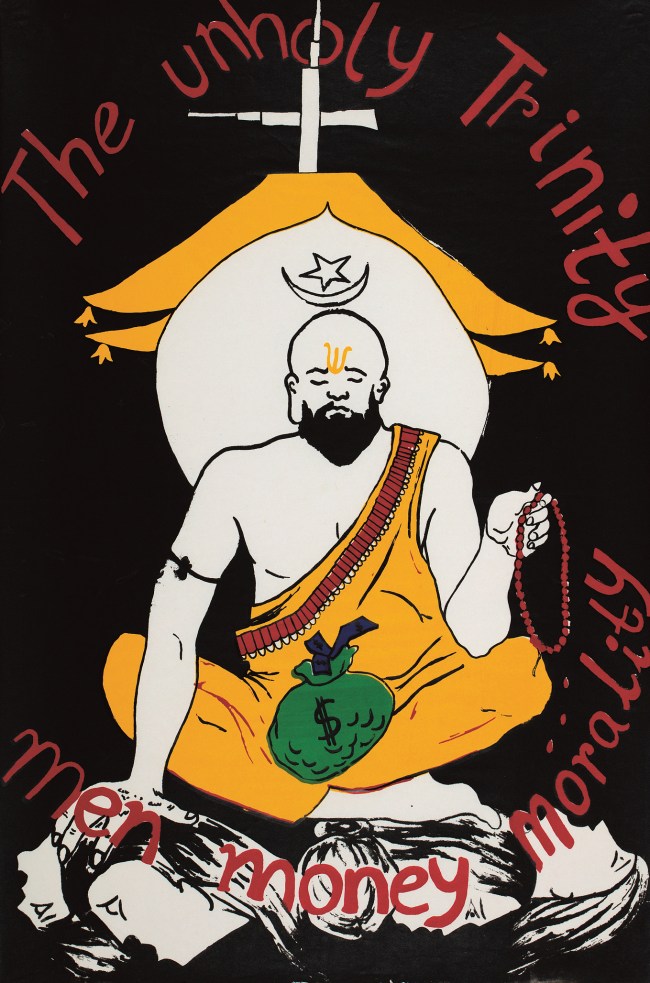
Reflecting on the innovative structure and curatorial direction of Documenta 14, led by Adam Szymczyk, this exhibition was a bold venture into decentralizing the conventional single-location art show. Held concurrently in Athens and Kassel, Documenta 14 aimed to tackle significant global topics such as migration, colonialism, and economic inequality.
Under Adam Szymczyk’s leadership, the decision to split the event between two cities was not only a logistical hurdle but also a conceptual challenge. This approach questioned the supremacy of Western art hubs and welcomed a variety of viewpoints from the global south. Featuring over 160 artists worldwide, the exhibition showcased politically and socially active works.
The curatorial approach of Documenta 14 highlighted collaboration and dialogue, prompting artists to interact with local communities and historical narratives. Despite its commendable objectives, the exhibition faced critiques regarding its execution. Critics suggested that the dual-city setup diluted the artworks’ impact and strained resources. Nonetheless, Documenta 14 stands as an important case study in the global exhibition realm, offering insights for future curatorial strategies.