When asked the question reminiscent of Linda Nochlin’s famous inquiry, “Why are there no great West Virginia artists?,” Liz Simmons has a ready response. “There are indeed great artists, but they remain unknown to many,” asserts Simmons, the art and engagement curator at the Juliet Art Museum in Charleston, West Virginia. She highlights that significant artistic endeavors are thriving between the coasts.
Often, West Virginia enters the national spotlight for its political controversies and cultural stereotypes rather than its artistic achievements. As the only state entirely within Appalachia, it is frequently overshadowed in the arts. Simmons acknowledges the challenges in promoting West Virginia artists due to its smaller population of 1.8 million and a less prominent tourism industry. Nonetheless, she emphasizes the region’s artistic quality and diversity.
Beyond West Virginia, the Appalachian region houses numerous noteworthy artists and movements. In eastern Kentucky, the Appalachian Artisan Center showcases local talents and offers workshops in crafts like ceramics and metalworking. In Tennessee, the Knoxville Museum of Art features Higher Ground: A Century of the Visual Arts in East Tennessee, celebrating regional artistry. These are just glimpses of the rich Appalachian arts scene.
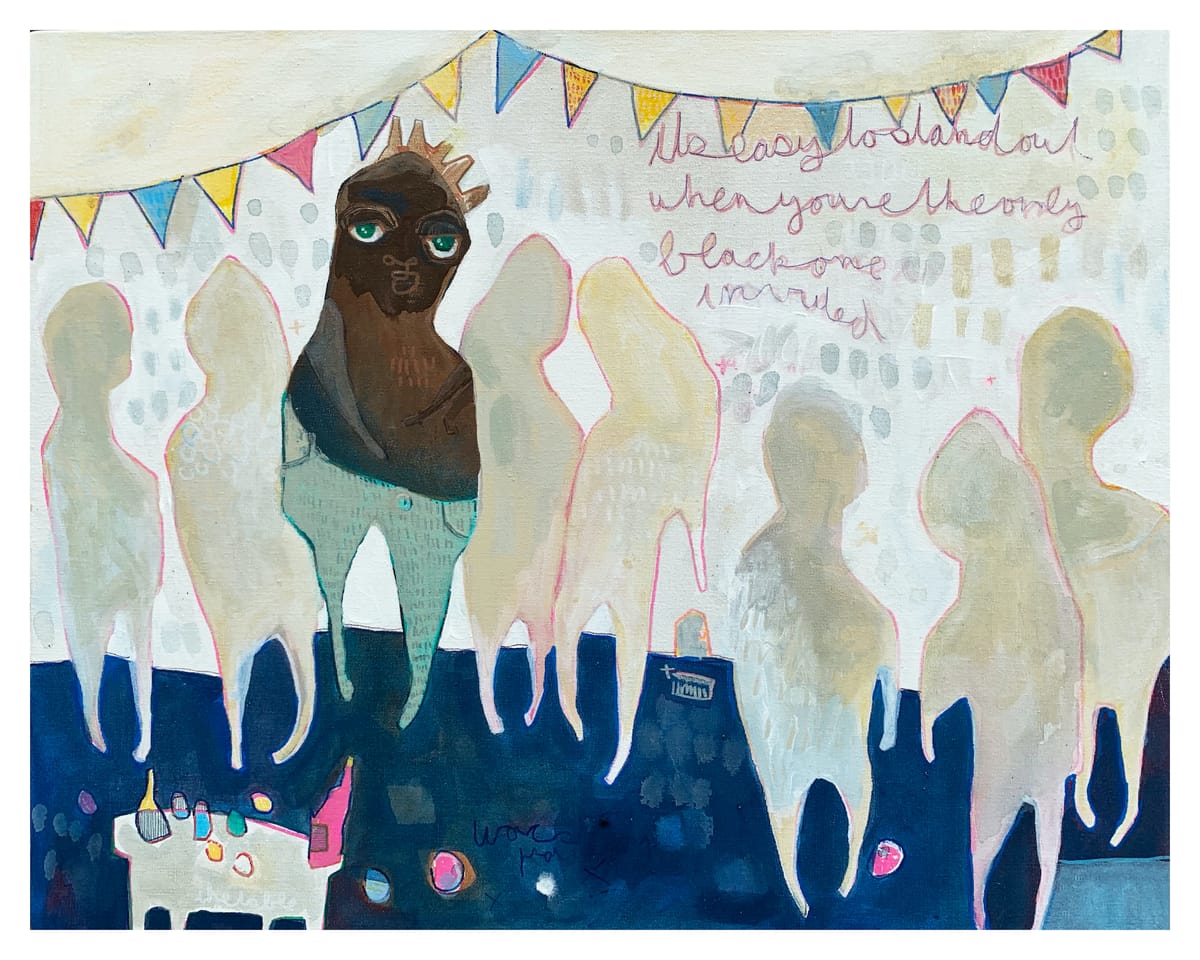
Among the artists leading West Virginia’s creative wave is Robby Moore, executive director of Beckley Arts Center. By night, he immerses in his mixed media work, often exploring themes of Black identity in Appalachia. Moore, a Beckley native, challenges the conservative backdrop of his state with progressive ideas through his art. His commitment earned him the title of best artist in the state by WV Living magazine readers last year.
Ellie Schaul, who relocated to Charleston from Massachusetts, has become a key figure in West Virginia’s art world. Over 62 years, Schaul has engaged in various art forms, from abstract art to theater set design. Her distinct paintings of West Virginia’s “hollers” offer a magical, psychedelic perspective, capturing the essence of her environment through vibrant colors.
Nevada Tribble takes inspiration from West Virginia’s natural surroundings, often using local materials in her textile work. Tribble, who resides in Elkins, incorporates leaves, bark, and other natural elements into her art, creating a tangible connection to her homeland. She also innovates with her unique “sewing bike,” merging art with performance and interaction.
Nichole Westfall, known for her large-scale murals in Charleston, uses her art to assert her presence as a woman and a person of color. Her vibrant public artworks aim to spark dialogue and challenge perceptions, while her projects, like a mural of Dr. Mildred Mitchell-Bateman, highlight significant figures in West Virginia’s history.
Sassa Wilkes, based in Huntington, employs oil paints to narrate both collective and personal stories. Their series, 100 Badass Women, and newer works exploring trans identity, aim to foster understanding and challenge societal prejudices. Wilkes believes in the power of art to provoke thought and inspire change.