If one looks at recent developments in European culture, it becomes increasingly clear that Eastern Europe is emerging as a space of experimentation, both in artistic practices and in the ways art is presented to the public. Unlike Western Europe, where cultural infrastructure generally operates within stable and well-regulated frameworks, Eastern Europe has seen a growing number of initiatives that test alternative formats and different forms of engagement with audiences.
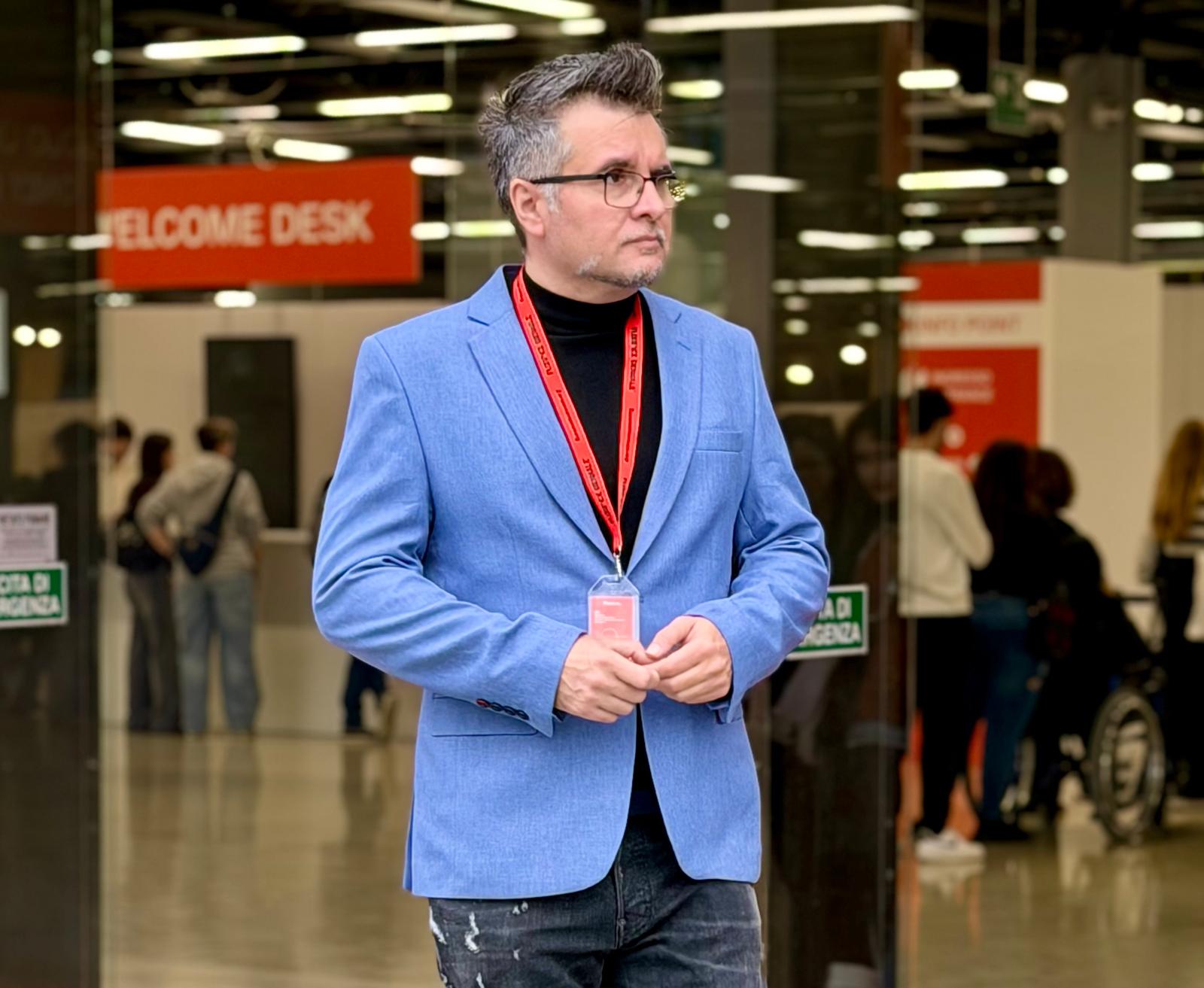
Within this context, Bucharest has recently been associated with the emergence of atypical cultural projects. Based on currently documentable information, the Romanian capital is mentioned in connection with the existence of a physical commercial art gallery operating non-stop, a model rarely encountered in its traditional form. The initiative belongs to Mihai Ionescu, a painter, curator, and television producer, who opened TDV ART in the autumn of 2024.
Beyond this continuous operating format, Mihai Ionescu’s activity is also associated with the formulation of a contemporary artistic theme known as Bionantism, which focuses on exploring the organic relationship between nature and technology. Rather than positioning the two in opposition, the theme visually examines the idea of cogenesis, presenting biological and technological elements as evolving together within the same process.
The gallery’s non-stop operation is further presented as an observational approach to the relationship between the public and culture in the absence of time-based barriers, exploring how continuous access may influence perception and interaction with art.
Such initiatives align with a broader trend in Eastern Europe, where artists and curators increasingly assume an active role in shaping cultural infrastructure and testing concepts that extend beyond the classical institutional model.
By James Carter — Editor-in-Chief