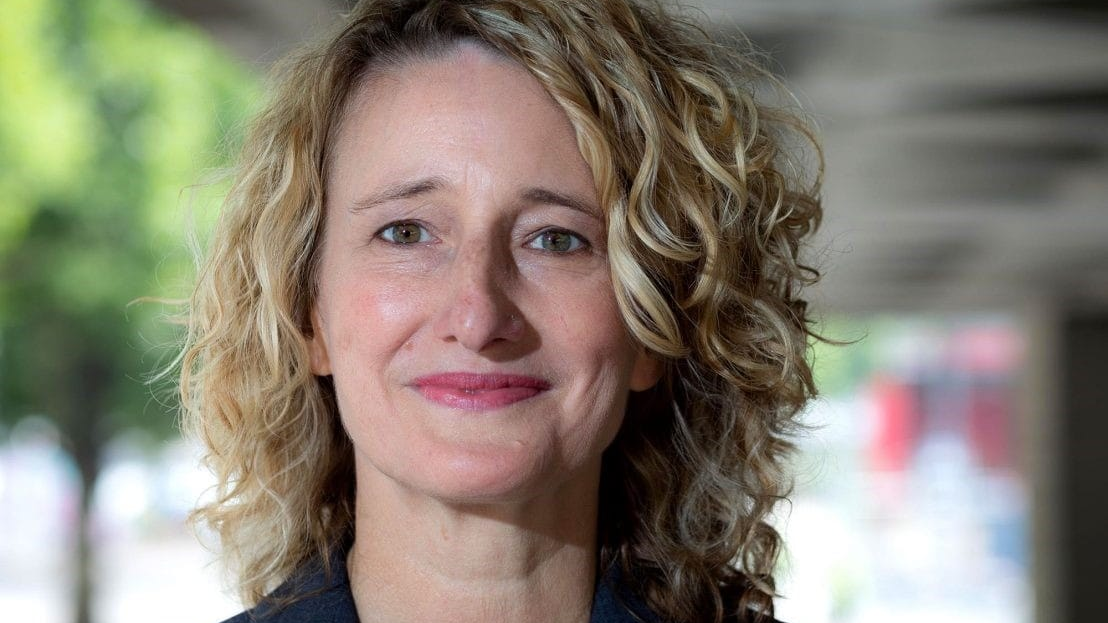
There was a time when Berlin was celebrated as a sanctuary for artists and writers facing persecution. Today, however, those same voices are often reprimanded and silenced, particularly when they speak out about Gaza. The scene is disheartening, especially when renowned filmmakers like Wim Wenders compromise their esteemed reputations with remarks such as, “We have to stay out of politics.” This comment was made on the opening day of the Berlinale, now a stage for conflict between artists and pro-Israel factions. Staff writer Rhea Nayyar provides insight into how Berlinale Director Tricia Tuttle has become embroiled in controversy, despite the festival’s attempts to maintain neutrality.
As speculation grows about the potential removal of Berlinale Director Tricia Tuttle, festival executives are considering their future course of action. Meanwhile, a significant number of film industry professionals have rallied in her support. They have penned an open letter advocating for the festival’s autonomy and independence from external pressures.
The Berlinale, traditionally a platform for diverse voices and perspectives, finds itself at the center of a heated debate, reflecting broader tensions within the artistic community. The conflict highlights the struggle between artistic freedom and political influence, with the festival’s leadership caught in the crossfire.