Founded in 1876 on Manhattan’s Nassau Street with a team of just three, the first legal aid organization in the United States emerged, initially named the German Legal Aid Society. In its debut year, it assisted 212 immigrants unable to afford legal representation. By the end of its first decade, it had secured the equivalent of $3.6 million in wages for German immigrants. Shortly after, it rebranded as the Legal Aid Society, broadening its scope to serve all New Yorkers. Today, it stands as the largest public defense provider in the country, funded by governmental and private sources.
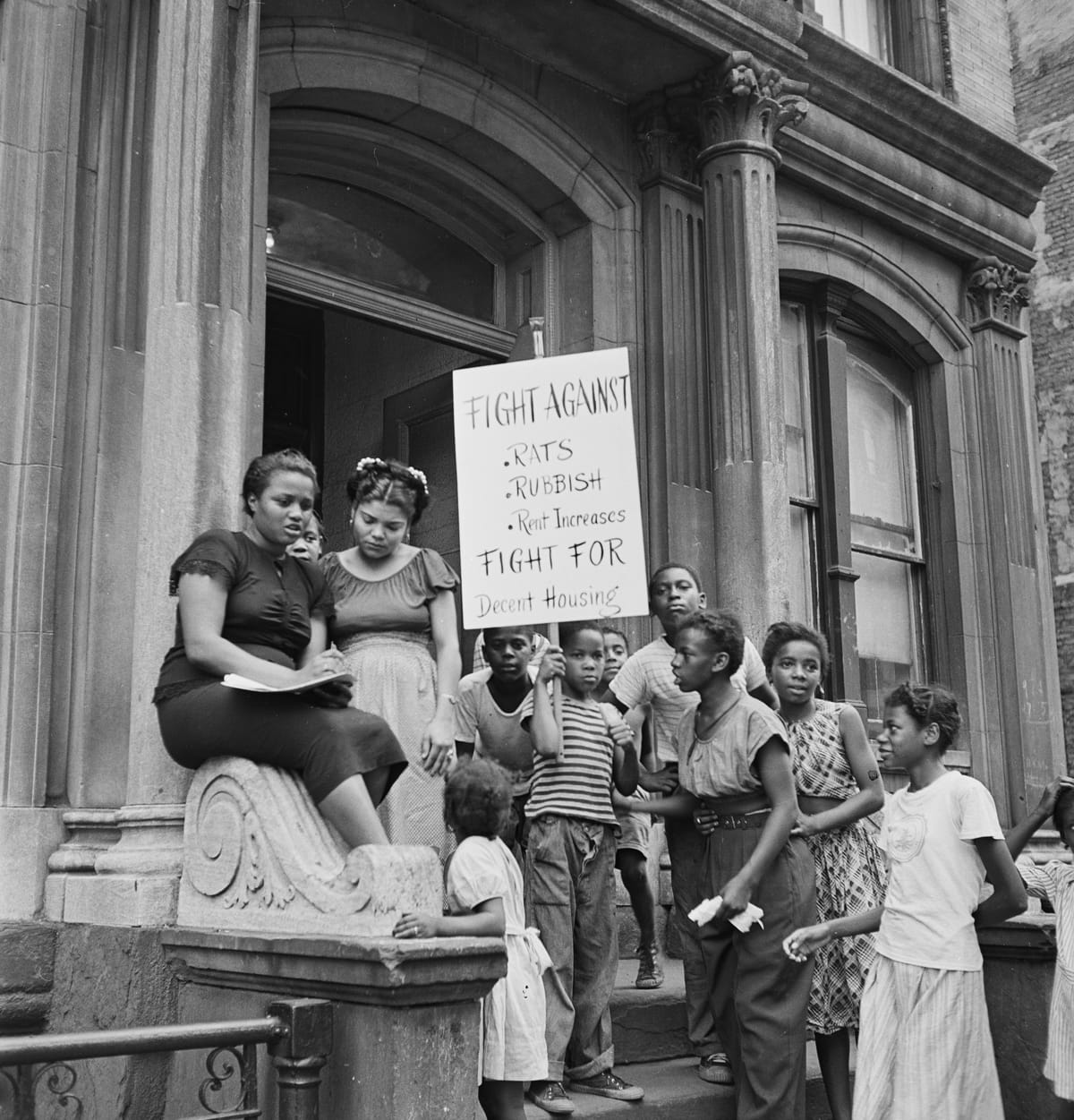
To commemorate its 150th anniversary, the New York Historical Society recently launched an exhibition showcasing artifacts from the Legal Aid Society’s history. These include artworks by young clients and anti-incarceration activists, as well as early photographs documenting the organization’s efforts. “Justice isn’t just legal. It’s also cultural,” stated Twyla Carter, the Legal Aid Society’s CEO and Attorney-in-Chief, emphasizing the exhibit’s role in highlighting the intersection of law and lived experiences.
Over the past 18 months, Carter collaborated with former and current staff to gather items that narrate the organization’s journey for the exhibit, “Delivering Justice: 150 Years of The Legal Aid Society.” Displayed just outside the NY Historical lobby are newspaper clippings, collages, and photographs illustrating significant legal victories, including support for the 1971 Attica prison uprising leaders. Among the artworks is a poster by Brooklyn artist Josh MacPhee advocating for the closure of Rikers Island jail.
Last year, the Legal Aid Society achieved a legal victory against the use of brutality in jails, leading to court-appointed oversight of Rikers Island, which is set to close in 2027. Although MacPhee did not work directly with the society in its actions against the prison, his artwork echoes its mission. “My work has been one of the more visible cultural elements of the movement,” MacPhee noted, highlighting the significance of cultural contributions to social movements.
When asked about the exhibition’s role in fundraising, Carter expressed hopes of attracting new audiences. “We wish to ignite interest from those unfamiliar with us,” she said, pointing to the organization’s pivotal litigation, such as the 1981 mandate for shelter services and recent initiatives like the New York Immigrant Family Unity Project. “The exhibit is a reminder that challenges are ever-present,” Carter concluded, with the display set to continue through July 5, 2026.